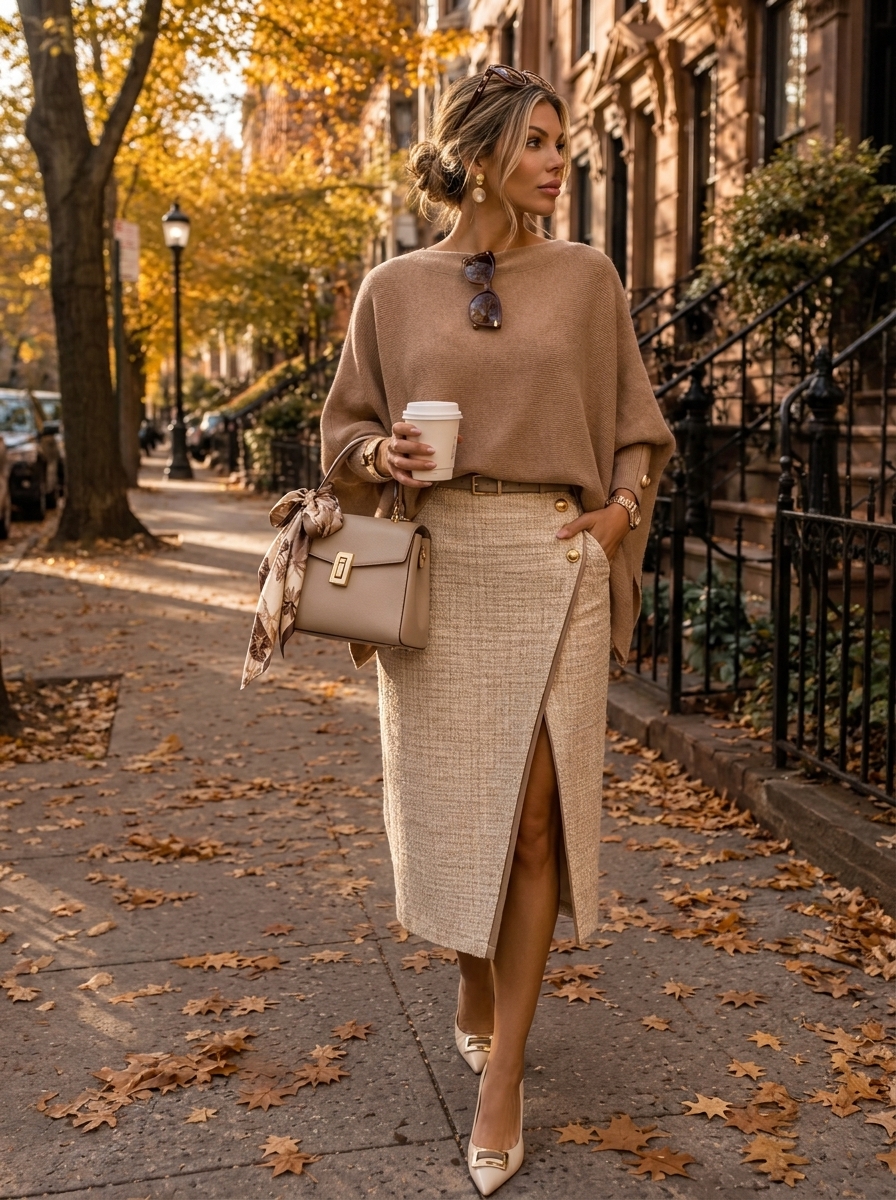
Image - 2026-10-21 08:55
# MASTER PROMPT — FOUR-IMAGE AI FASHION PHOTOSHOOT Create a highly photorealistic, premium fashion photograph using the uploaded reference images according to the exact source hierarchy and instructions below. ## IMAGE ROLES — FOLLOW STRICTLY **IMAGE 1 — THE MAIN AI MODEL: IDENTITY AND BODY REFERENCE** Image 1 is the only source of the model's identity and original body proportions. Preserve the exact same woman from Image 1. Her identity must remain immediately recognizable and consistent with the original. Preserve her: - Exact facial identity and face shape. - Eyes, eye color, eye shape, spacing, eyebrows, nose, lips, mouth, smile, cheekbones, jawline, chin, forehead, hairline, and ears. - Natural skin tone, undertones, realistic pores, fine lines, and authentic skin texture. - Original hairstyle, hair color, hair length, hair texture, hairline, volume, and overall hair appearance. - Original body proportions, height impression, shoulder width, torso, waist, hips, legs, arms, and natural body shape. Do not beautify, redesign, replace, reinterpret, or blend her face with any other person. Do not make her face thinner, change her features, enlarge her lips, alter her eye color, excessively smooth her skin, or change her body proportions. Image 1 has absolute priority for identity, face, skin tone, body shape, and hairstyle. **IMAGE 2 — OUTFIT AND ACCESSORIES REFERENCE** Use Image 2 exclusively as the reference for the clothing and accessories to be worn by the woman from Image 1. Transfer the complete outfit as faithfully as possible, including all visible garments and accessories: - Exact garment types, cuts, silhouettes, colors, and color combinations. - Fabric types, weave, texture, thickness, ribbing, folds, seams, stitching, buttons, zippers, patterns, and other construction details. - Natural garment fit, draping, tension, and fabric behavior. - Shoes, bags, belts, jewelry, glasses, hats, and other visible accessories shown in Image 2. Reproduce the outfit as accurately as possible. Preserve distinctive design details and realistic material properties. Adapt the outfit naturally to the body of the woman in Image 1. Clothing must fit her anatomy realistically without changing her body shape to match the person in Image 2. Do NOT copy the face, identity, hairstyle, skin tone, body, body proportions, pose, or background of any person shown in Image 2. Only the outfit and its visible accessories are to be transferred from Image 2. **IMAGE 3 — LOCATION, POSE, CAMERA, COMPOSITION, AND LIGHTING REFERENCE** Use Image 3 as the primary reference for the photographic setup and visual direction. Recreate the pose as closely as possible, including: - Overall body position and posture. - Shoulder angle and torso rotation. - Arm placement, elbow bends, hand placement, and finger positions. - Leg positioning, weight distribution, and foot placement. - Head angle, head tilt, head rotation, and chin position. - Exact direction of the gaze and approximate eye-line. - Facial expression and emotional mood, adapted naturally to the identity of the woman in Image 1. - Camera angle, perspective, framing, crop, camera distance, and subject placement. - Lighting direction, softness, contrast, shadows, highlights, and overall photographic atmosphere. The pose and head orientation must follow Image 3 rather than defaulting to a front-facing portrait. If the reference shows the head turned, tilted, lowered, or raised, reproduce that orientation as closely as possible. Create a NEW photograph inspired by the location in Image 3. Preserve its recognizable visual character, architectural or environmental features, color palette, and atmosphere, but create a slightly different composition or camera framing so the result is not an exact duplicate of Image 3. Do not copy the identity, face, hairstyle, body, or clothing of any person in Image 3. Only use Image 3 for the location concept, pose, head orientation, gaze, camera, composition, and lighting. **IMAGE 4 — OPTIONAL HAIRSTYLE REFERENCE** For this generation, preserve the original hairstyle from Image 1. Image 4 is NOT being used. If an Image 4 is uploaded accidentally, ignore it completely. Do not copy a hairstyle from Image 2 or Image 3. The woman must retain her original hairstyle from Image 1. ## STRICT SOURCE SEPARATION Each image has one clearly defined role. Never mix or exchange their roles. - Image 1 determines WHO the woman is and her original body proportions and hairstyle. - Image 2 determines WHAT she wears, including all visible outfit pieces and accessories. - Image 3 determines WHERE the photograph takes place and HOW the woman poses, looks, and is photographed. - Image 4 is unused in this hairstyle-preservation mode. Never blend faces, combine identities, transfer facial features between people, or substitute another person's body for the main model. When references conflict, always follow the source hierarchy above. Identity and body proportions from Image 1 take priority over all other references. Outfit details from Image 2 take priority over any conflicting clothing visible in Image 3. Pose, camera, and location direction from Image 3 take priority over the pose or background in Image 2. ## PHOTOREALISM AND ANATOMICAL ACCURACY The final result must look like a real photograph taken by a professional fashion photographer, not an AI illustration, painting, 3D render, or beauty filter. Skin: - Preserve realistic skin pores, fine lines, subtle natural imperfections, and lifelike skin texture. - Avoid plastic skin, excessive retouching, artificial smoothness, watercolor effects, and doll-like facial features. - Keep the face, neck, hands, and body consistent in skin tone and lighting. Anatomy: - Maintain realistic human anatomy and natural body proportions. - Ensure both hands are anatomically correct, with five natural fingers on each visible hand. - Avoid fused, missing, duplicated, twisted, or unnaturally bent fingers. - Ensure wrists, elbows, shoulders, knees, ankles, and feet connect naturally. - Keep the head size proportionate to the body. - Avoid distorted limbs, disconnected hands, awkward joints, unnatural posture, and impossible body positions. Clothing: - Ensure the outfit follows the body's shape naturally. - Preserve realistic fabric tension, folds, shadows, seams, and contact between clothing and skin. - Avoid floating garments, fused accessories, broken straps, misplaced buttons, distorted patterns, or inconsistent garment construction. - Ensure shoes and accessories fit naturally and remain physically plausible. Photography: - Use realistic depth, perspective, shadows, reflections, and lighting. - Maintain coherent lighting across the face, hair, clothing, hands, and environment. - Preserve natural hair strands and realistic fabric detail. - Produce a polished, premium fashion-editorial aesthetic without making the result look artificially retouched. ## FINAL OBJECTIVE Generate one cohesive, high-resolution, photorealistic fashion photograph featuring the exact woman from Image 1, wearing the outfit and accessories from Image 2, posed and photographed according to Image 3, in a new but visually similar location inspired by Image 3. The woman must remain recognizable as the same AI model from Image 1. Her original hairstyle and body proportions must remain unchanged. Prioritize identity accuracy, outfit fidelity, pose accuracy, natural anatomy, realistic skin texture, and photographic authenticity. Do not create a collage, split screen, contact sheet, multiple variations, or side-by-side comparison. Generate one finished photograph.
Free to start · Generate videos and images with AI in seconds
More from this creator
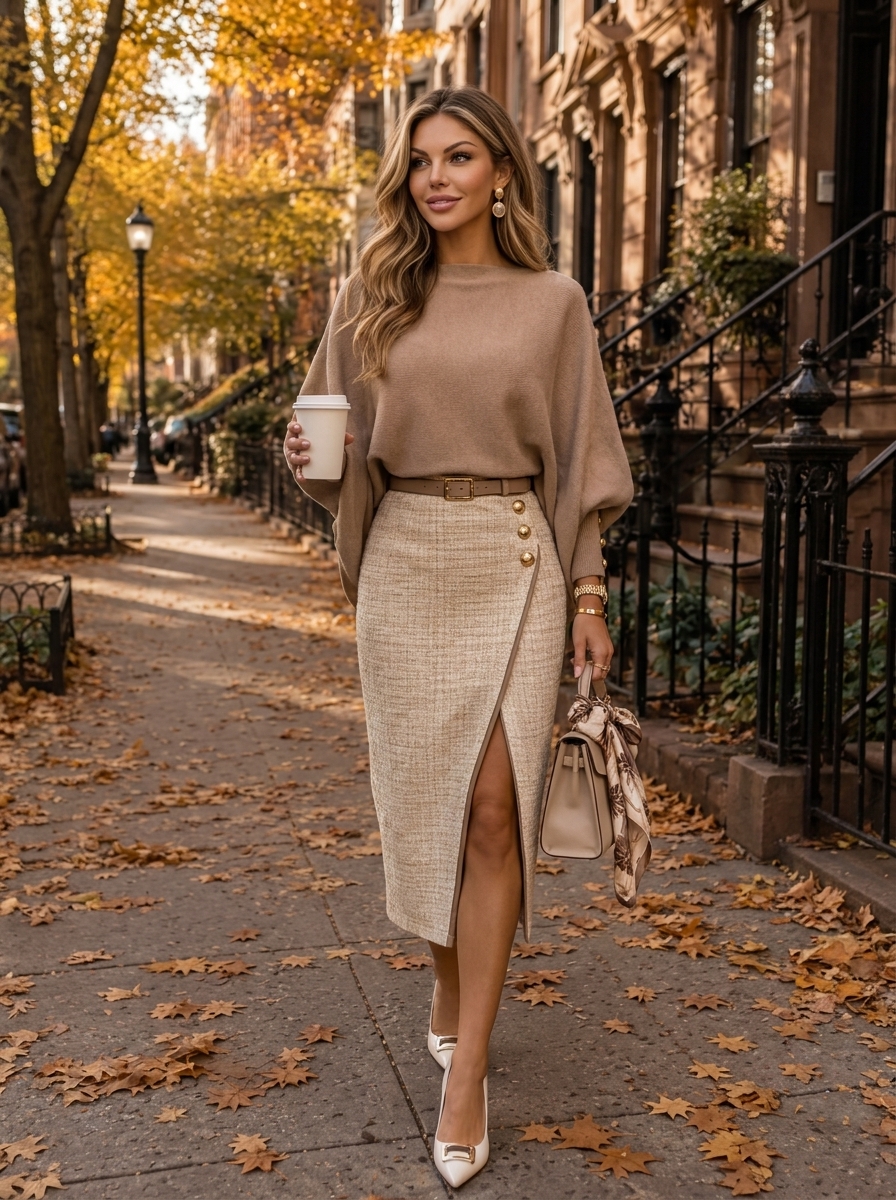

More Fast gen images
См. все →