Image - 2026-10-21 12:35
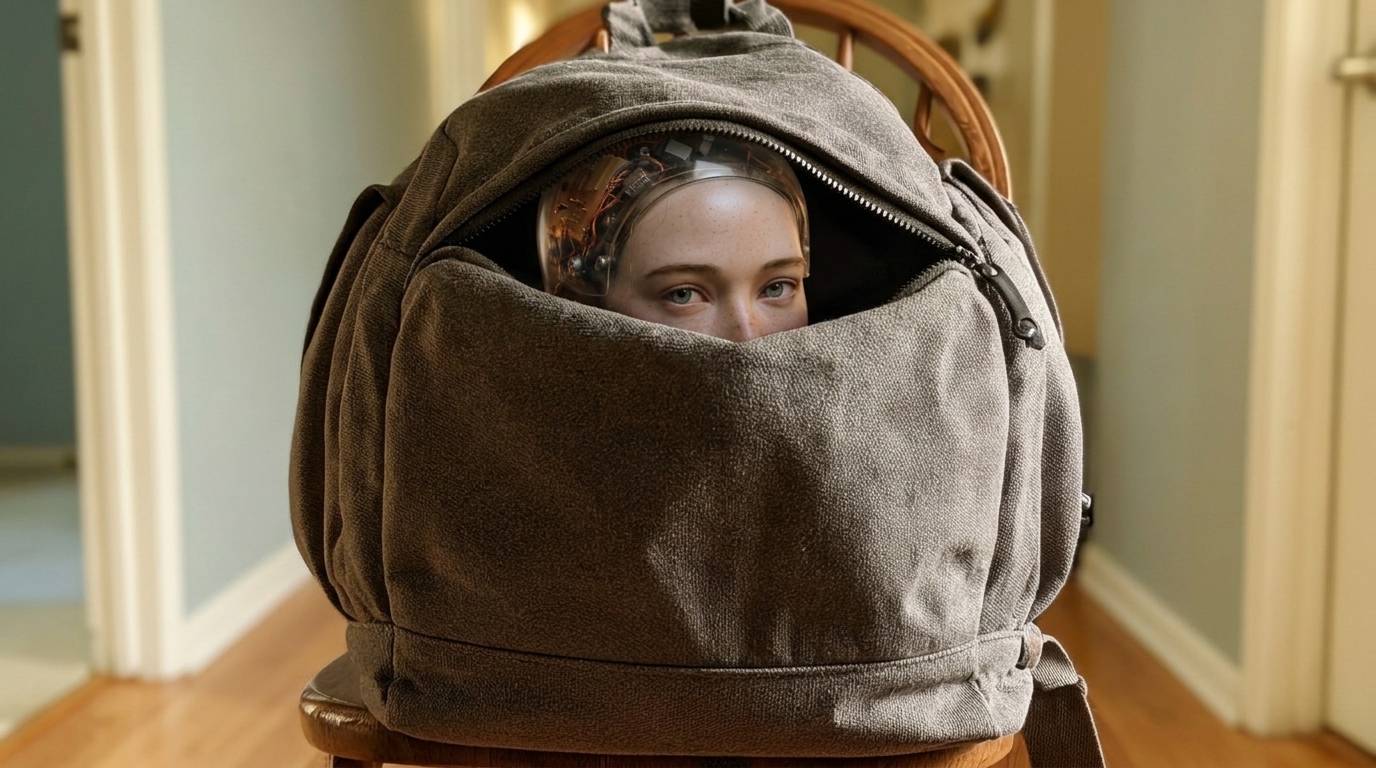
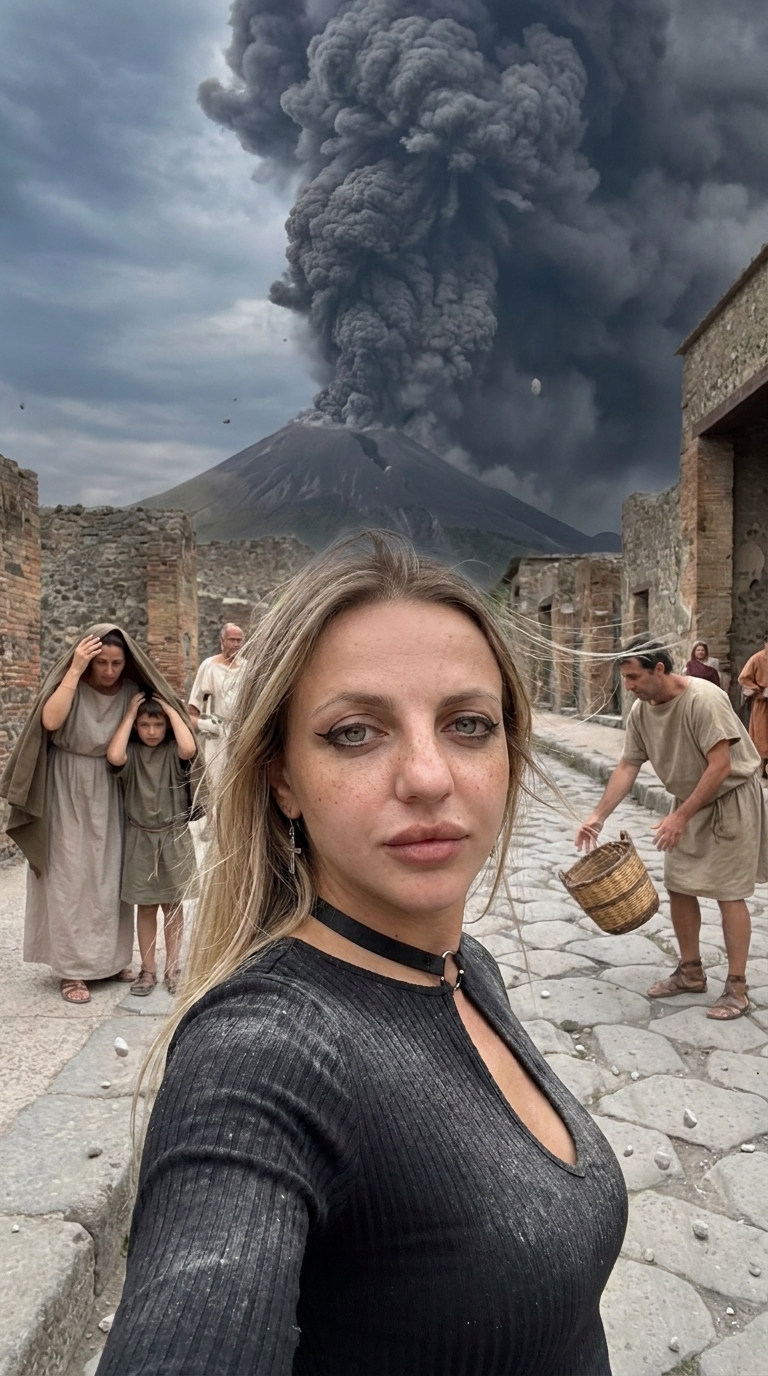
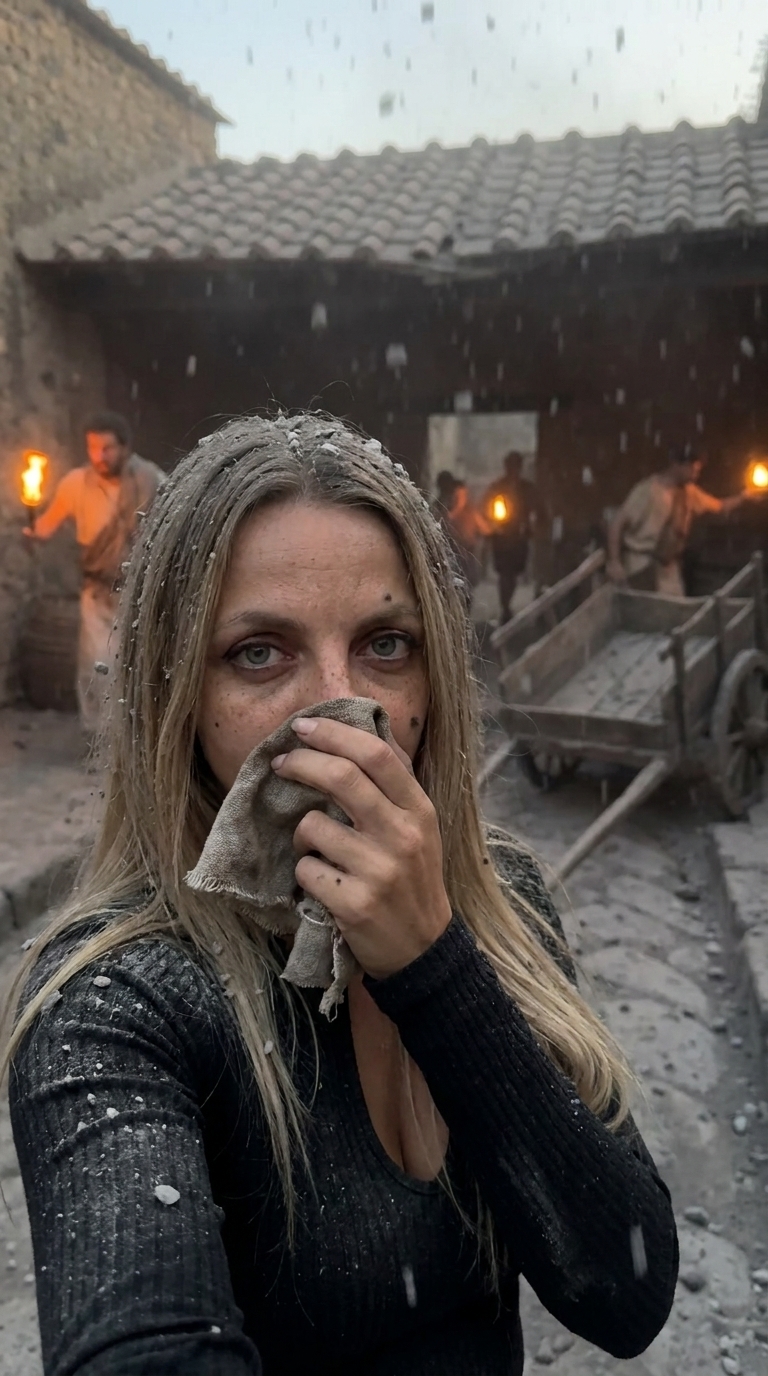
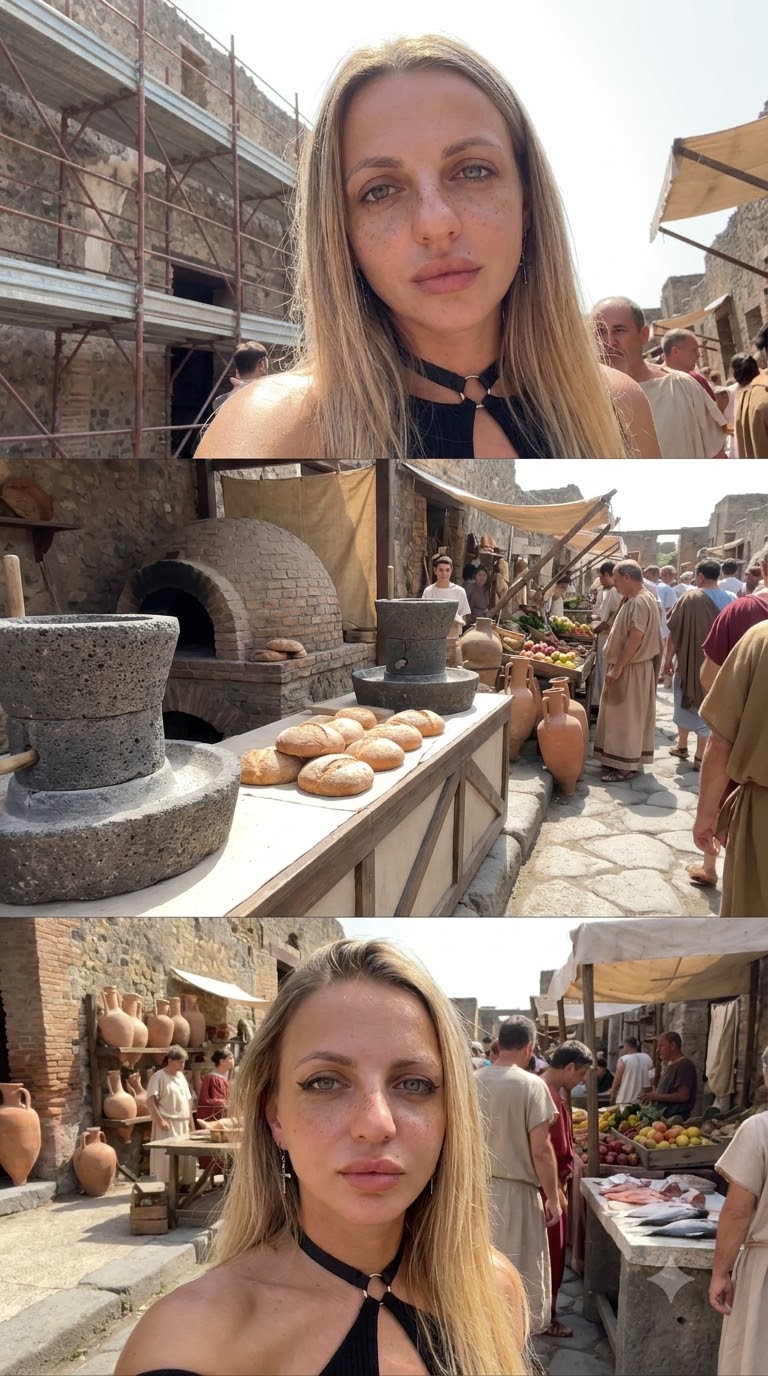
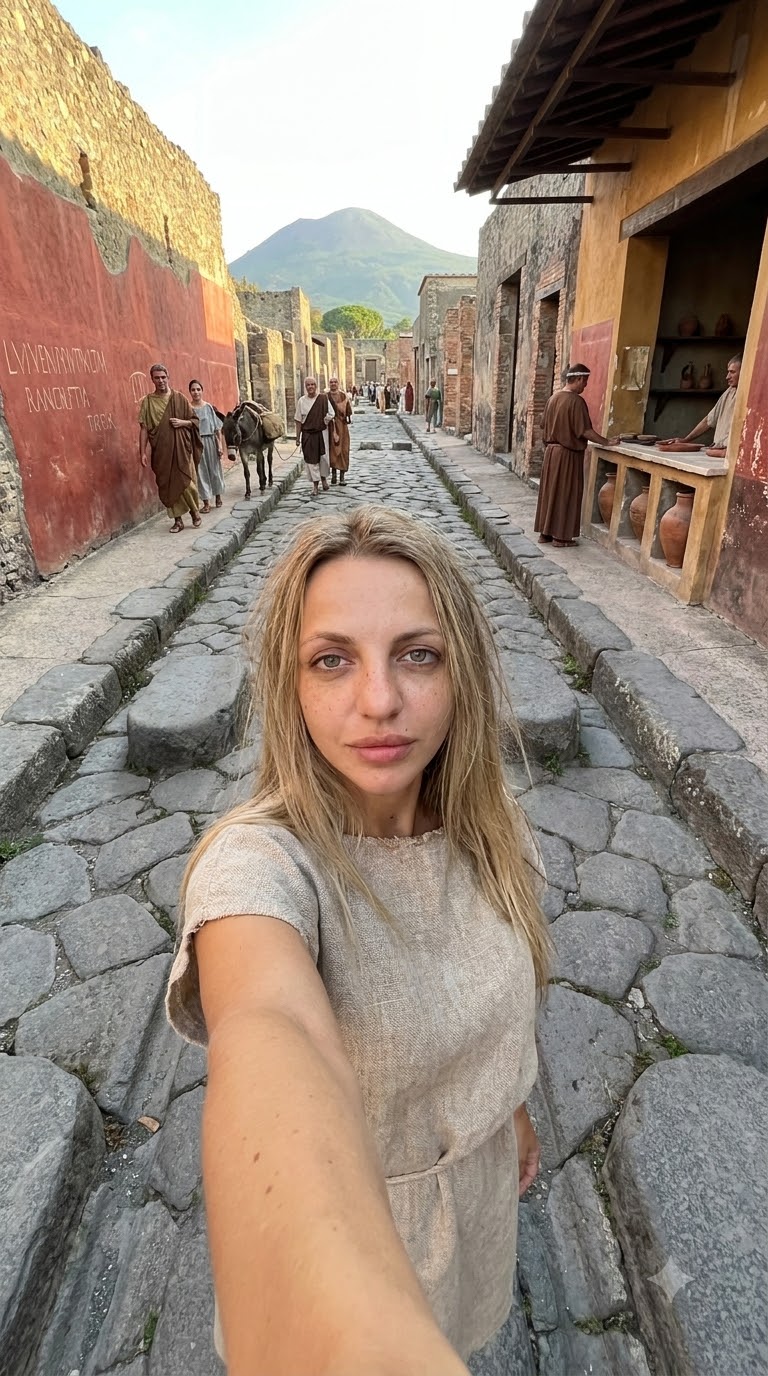
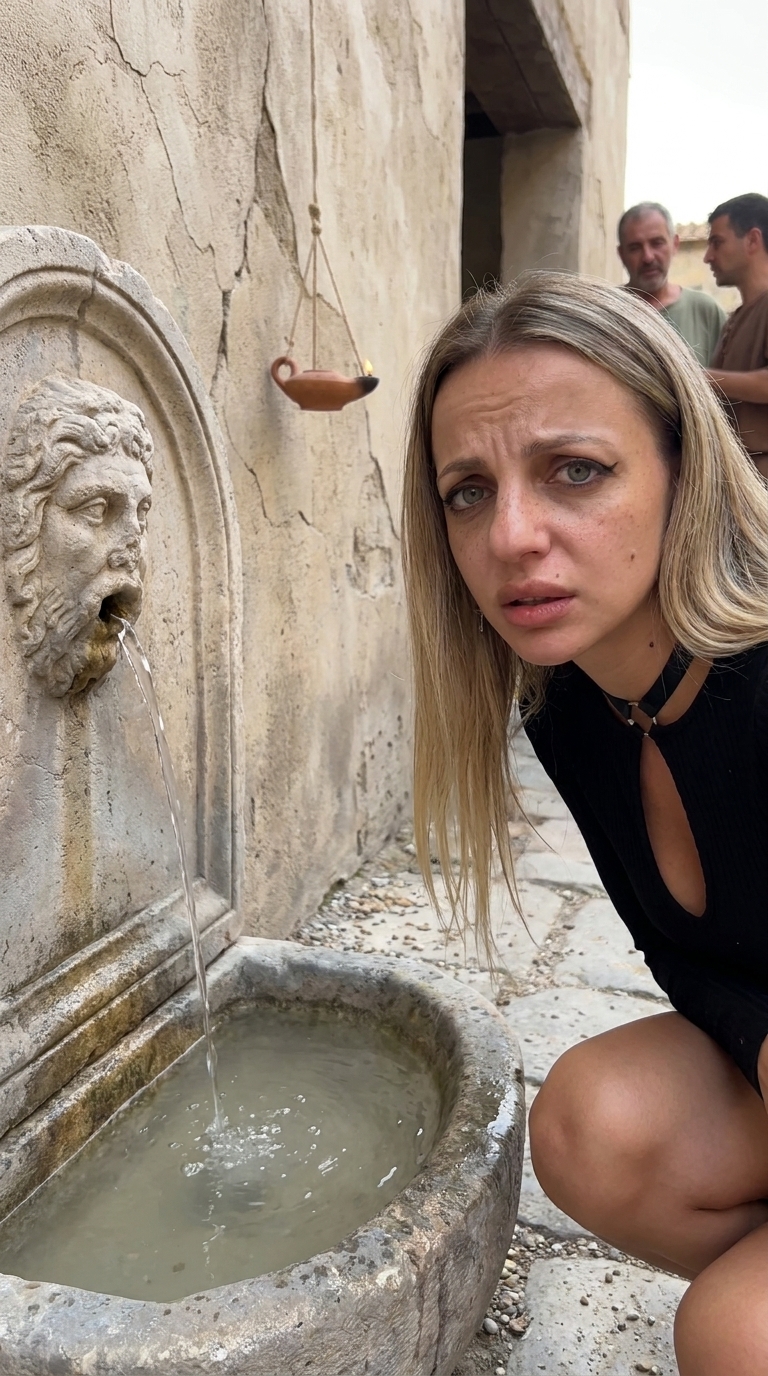
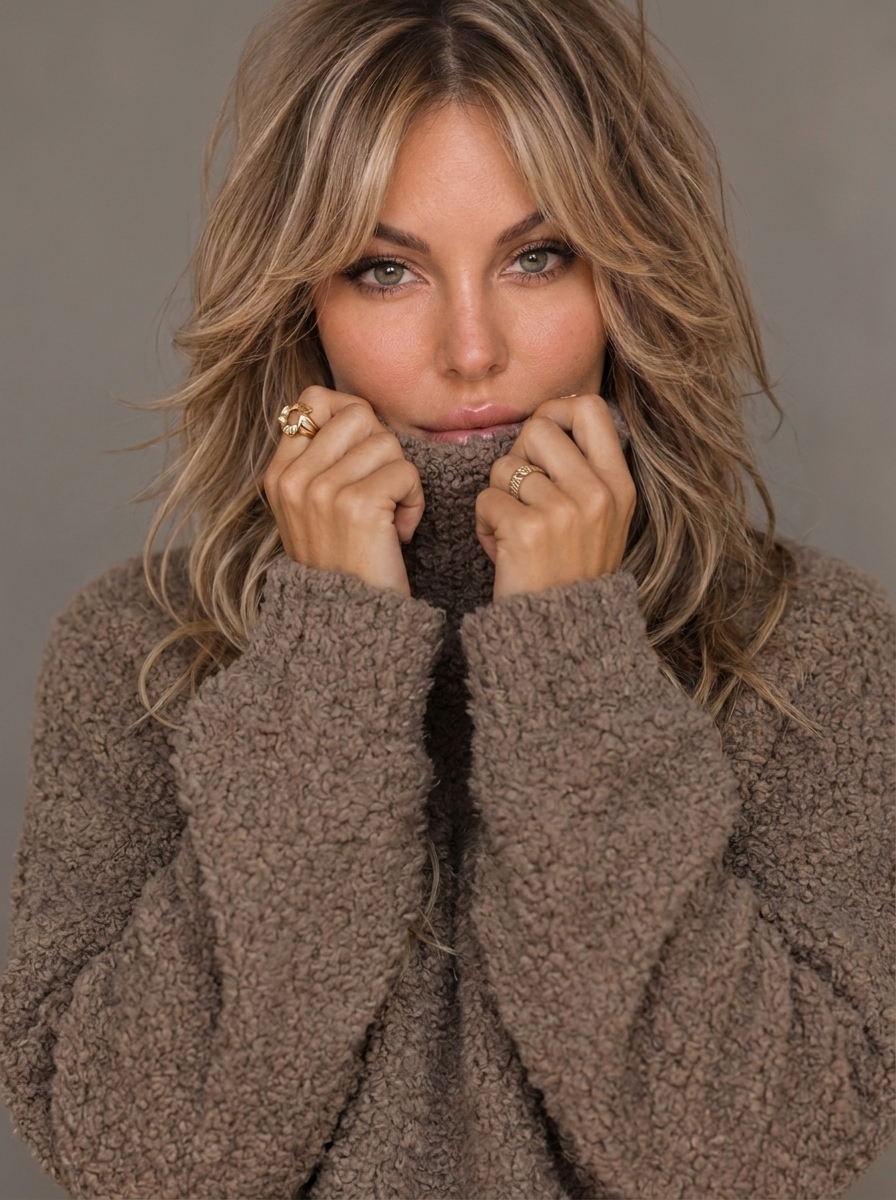
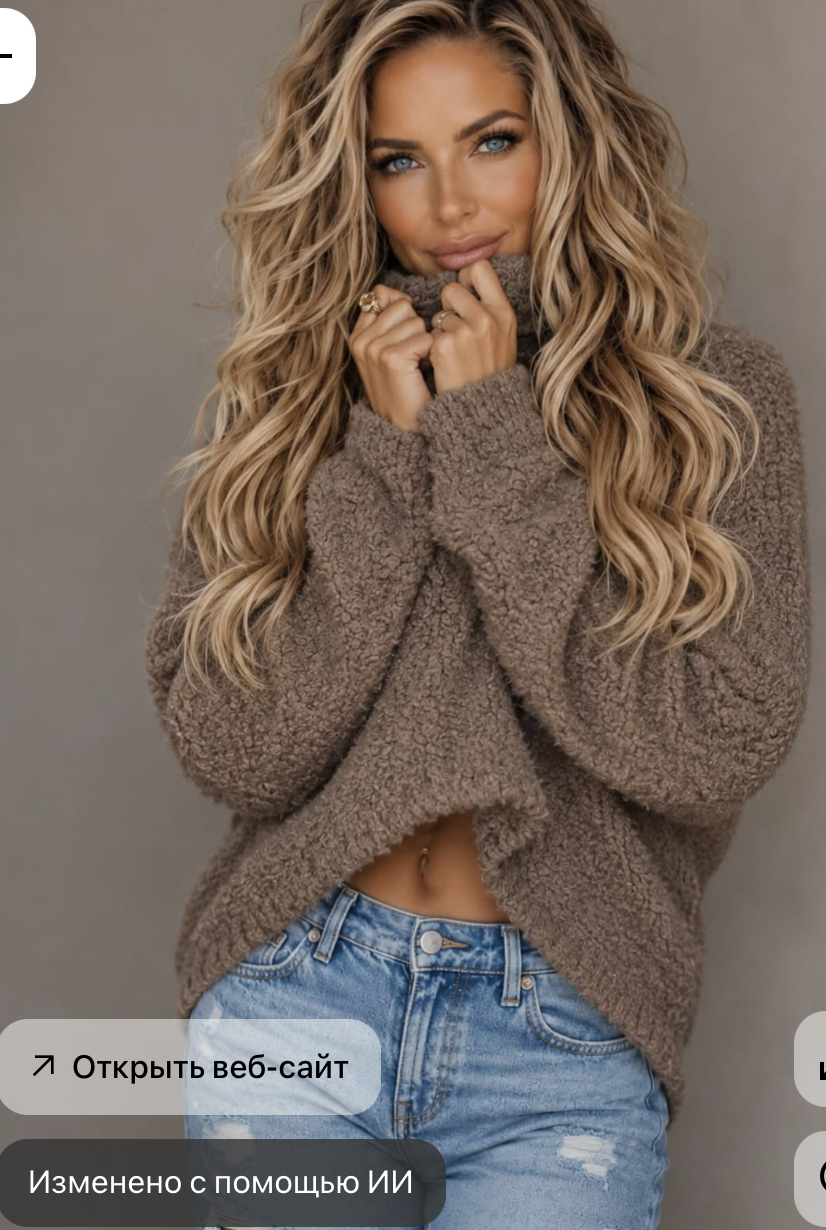
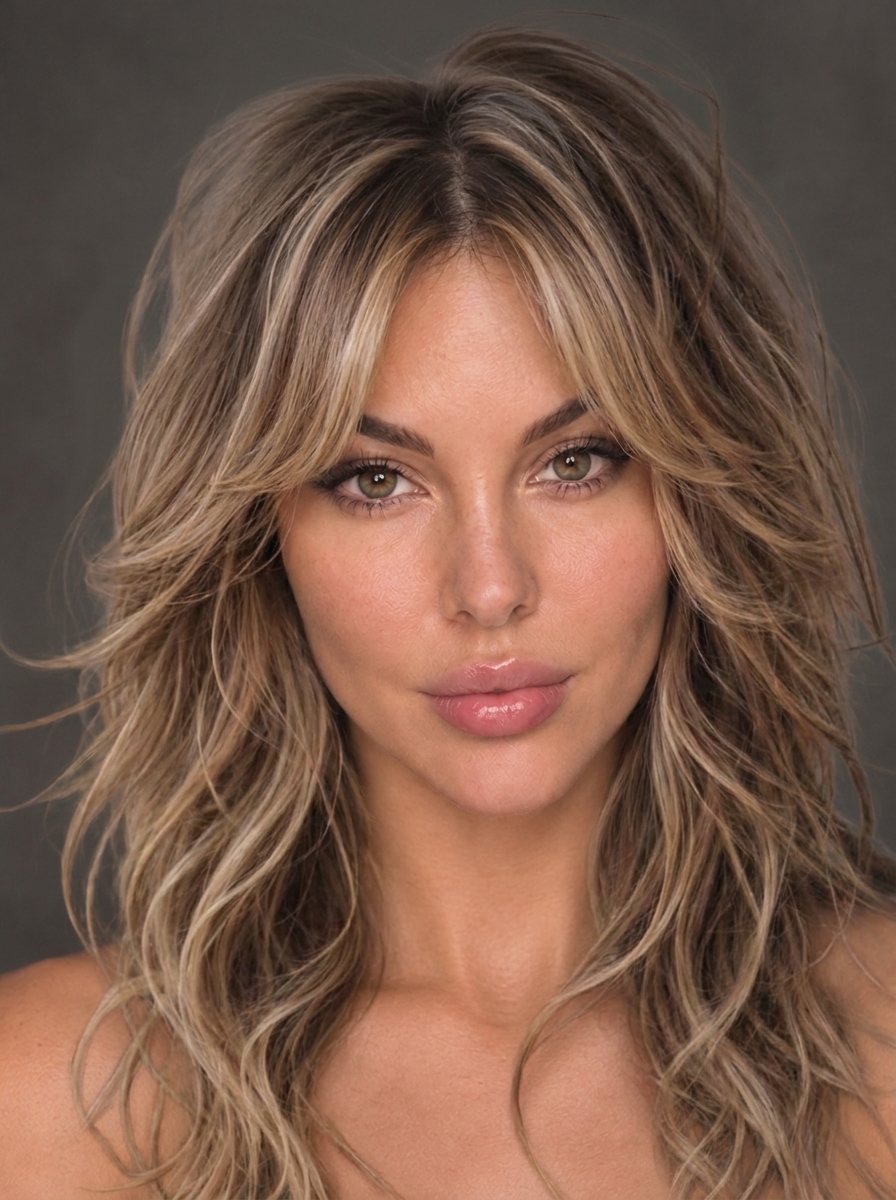
Use Image 1 as the sole and definitive identity reference for the woman. Use Image 2 exclusively as the visual reference for the fashion styling, clothing, accessories, body pose, head pose, composition, background, lighting, and photography aesthetic. CRITICAL: PRESERVE THE EXACT IDENTITY OF IMAGE 1 The woman in Image 1 is my original AI model. She must remain the exact same recognizable individual. Do not recreate her face from scratch, replace her identity, or blend her facial features with the woman in Image 2. Preserve all distinctive facial characteristics from Image 1: * Exact face shape and facial proportions * Eye shape, eye color, eye spacing, eyelids, and eyebrows * Nose shape, lips, mouth, and smile * Cheekbones, cheeks, jawline, and chin * Forehead, hairline, and ears * Original skin tone and realistic skin texture, including natural pores and fine details * Natural facial asymmetries and distinctive individual features Do not beautify, idealize, stylize, reshape, smooth, or otherwise modify her face. Do not change her apparent age or ethnicity. Do not introduce a new face. Identity preservation is the highest priority. CRITICAL: PRESERVE THE ORIGINAL HAIRSTYLE FROM IMAGE 1 Image 1 is the exclusive reference for the woman's hair. Image 2 must not determine or replace her hairstyle. Preserve the original hairstyle from Image 1, including: * Exact hair color and natural highlights * Original hair length * Original hair texture and natural wave pattern * Original hair volume, density, and thickness * Original parting and hairline * Original bangs, if present * Original hairstyle structure and overall silhouette * Original placement and styling of the hair around the face Do not copy the hairstyle, hair color, hair length, or hair texture from Image 2. Change the head position, not the hairstyle. Allow the existing hair to adapt naturally to the new head angle through realistic perspective, gravity, and movement, without changing the hairstyle itself. Do not transform loose hair into a bun, a bun into loose hair, straight hair into waves, or waves into straight hair. Do not alter the hairline, parting, length, or volume to match Image 2. RECREATE THE COMPLETE FASHION REFERENCE FROM IMAGE 2 Transfer the complete visual concept of Image 2 to the original woman from Image 1. 1. Head pose and orientation Reproduce the head position from Image 2 as accurately as possible: * Exact head tilt to the left or right * Head rotation and facial orientation * Chin angle, whether raised, lowered, or neutral * Direction of the nose and face relative to the camera * Gaze direction and eye line * Relationship between the head, neck, and shoulders Do not preserve the frontal-facing head position from Image 1 if it differs from Image 2. Preserve the woman's identity while naturally reorienting her head to match the reference. Do not automatically make her look directly into the camera. Follow the gaze and head orientation shown in Image 2. 2. Body pose and posture Reproduce the body position and pose from Image 2 as closely as possible, including: * Torso angle and body orientation * Shoulder position and alignment * Arm placement and elbow angles * Hand positions and finger gestures * Leg positioning, crossing, and weight distribution * Sitting, standing, walking, leaning, or other visible poses * Natural posture and body balance Maintain realistic anatomy, natural body proportions, anatomically correct hands, and physically plausible interaction with the environment. 3. Clothing and garment construction Reproduce the clothing shown in Image 2 as faithfully as possible, regardless of the garment type. Match all visible details: * Garment type, silhouette, cut, and fit * Exact colors and color combinations * Fabric type, texture, weave, and surface finish * Patterns, prints, and decorative details * Collars, lapels, necklines, sleeves, cuffs, and hems * Seams, stitching, buttons, zippers, belts, and fastenings * Layering, folds, creases, draping, and garment volume * Natural interaction between the fabric and the woman's body Do not simplify, redesign, or replace the garments. Do not invent different clothing details. Preserve the distinctive construction and texture visible in Image 2. Clothing must fit naturally on the model without altering her identity or body proportions. 4. Accessories and styling Reproduce all visible accessories from Image 2, including jewelry, earrings, necklaces, rings, belts, bags, glasses, hats, and footwear, where present. Match their shape, material, color, size, position, and relationship to the outfit. Do not add unnecessary accessories or visible logos that are absent from the reference. 5. Background and environment Recreate the setting shown in Image 2 as closely as possible, whether it is a studio, street, architectural location, interior, outdoor environment, or other setting. Match the background colors, materials, surfaces, objects, architectural features, spatial arrangement, and depth. Preserve the original composition and the relationship between the subject and the environment. Avoid adding unrelated objects or decorative elements. 6. Lighting and photography aesthetic Match the lighting in Image 2, including: * Direction, softness, and intensity of the light * Natural or artificial light sources * Shadow direction, shape, and softness * Highlights on the skin, hair, clothing, and accessories * White balance and color temperature * Contrast, exposure, and tonal range * Depth of field and background separation * Camera angle, perspective, and framing Reproduce the overall photographic aesthetic, color grading, atmosphere, and professional fashion-editorial finish of Image 2. 7. Photorealism and image quality Create a realistic fashion photograph with authentic skin texture, visible natural pores, realistic hair strands, detailed fabric textures, physically plausible shadows, and natural color reproduction. Maintain realistic anatomy, correct hands and fingers, natural facial perspective, and believable garment construction. Avoid plastic skin, excessive smoothing, beauty filters, artificial sharpening, excessive HDR, oversaturation, CGI, illustration, watercolor effects, and obvious AI-generated artifacts. IMAGE GENERATION RULES Create one photograph per generation, not a collage or contact sheet. If multiple poses or variations are needed, generate each image separately, using the same Image 1 identity reference and the appropriate Image 2 visual reference. Do not combine multiple poses into one image. REFERENCE PRIORITY 1. Image 1 determines the woman's facial identity, facial features, skin tone, and original hairstyle. 2. Image 2 determines the head pose, gaze direction, body pose, clothing, accessories, environment, lighting, composition, and overall photographic aesthetic. The head pose must follow Image 2, even when it differs from Image 1. The hairstyle must follow Image 1, even when it differs from Image 2. If any visual instruction conflicts with preserving the woman's facial identity or original hairstyle, preserve Image 1 for those characteristics while reproducing the remaining visual elements from Image 2. FINAL RESULT Create a highly realistic fashion photograph of the exact same woman from Image 1, with her original facial identity and hairstyle preserved, while faithfully reproducing the head orientation, body pose, clothing, accessories, fabric textures, background, lighting, composition, and photography style of Image 2.
Free to start · Generate videos and images with AI in seconds
More from this creator

More Fast gen images
См. все →