Image - 2026-10-26 18:25
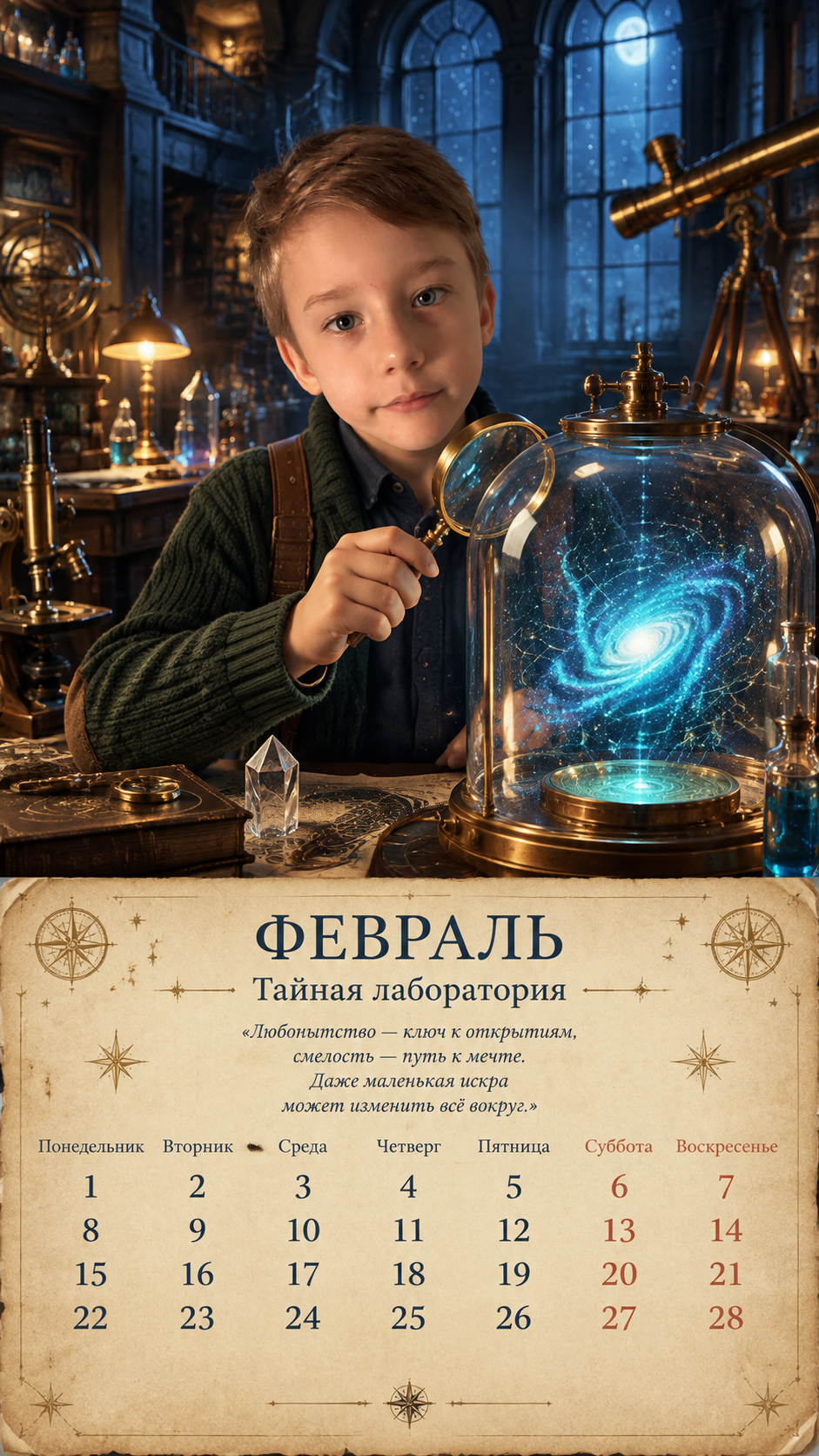
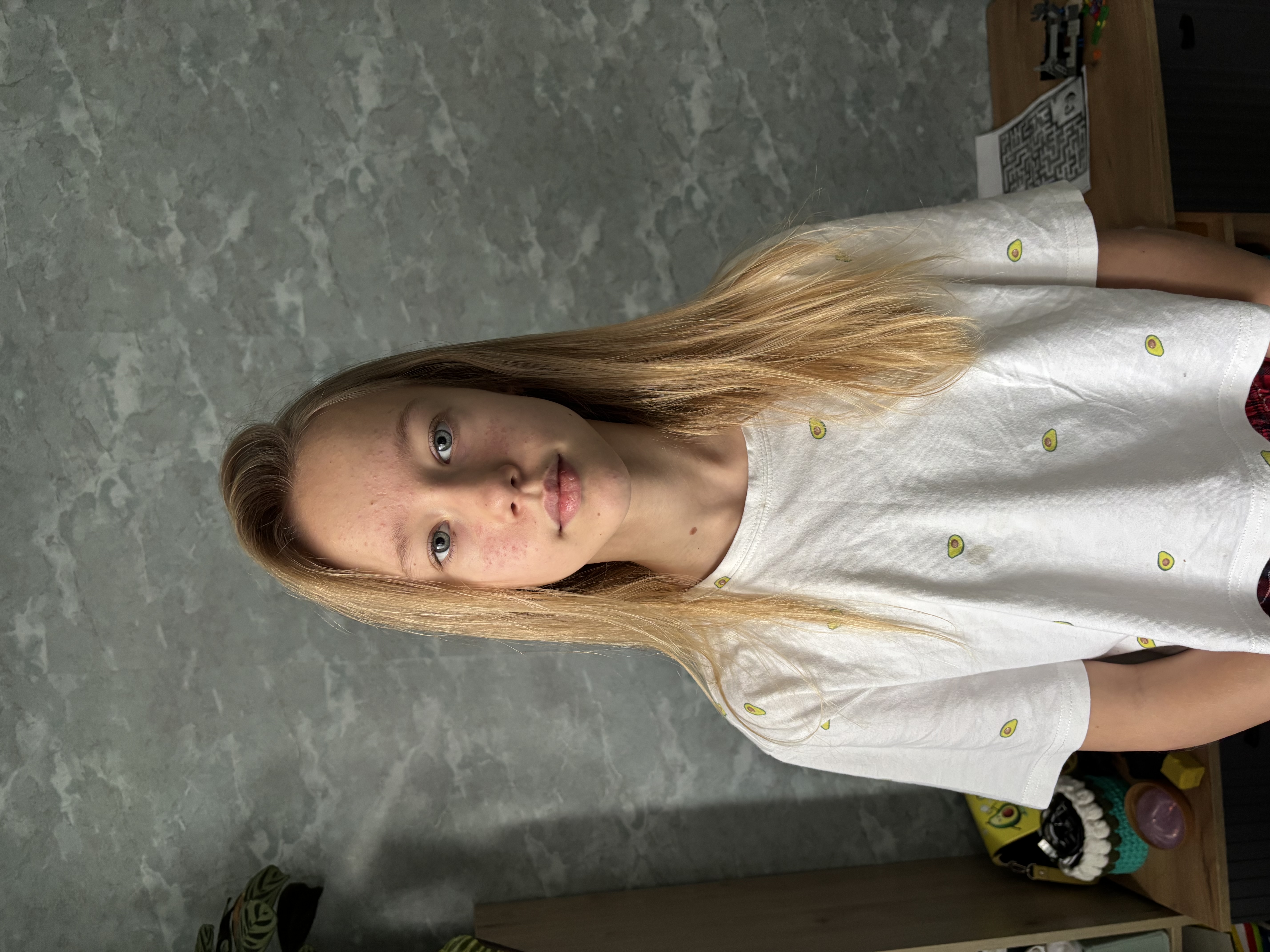
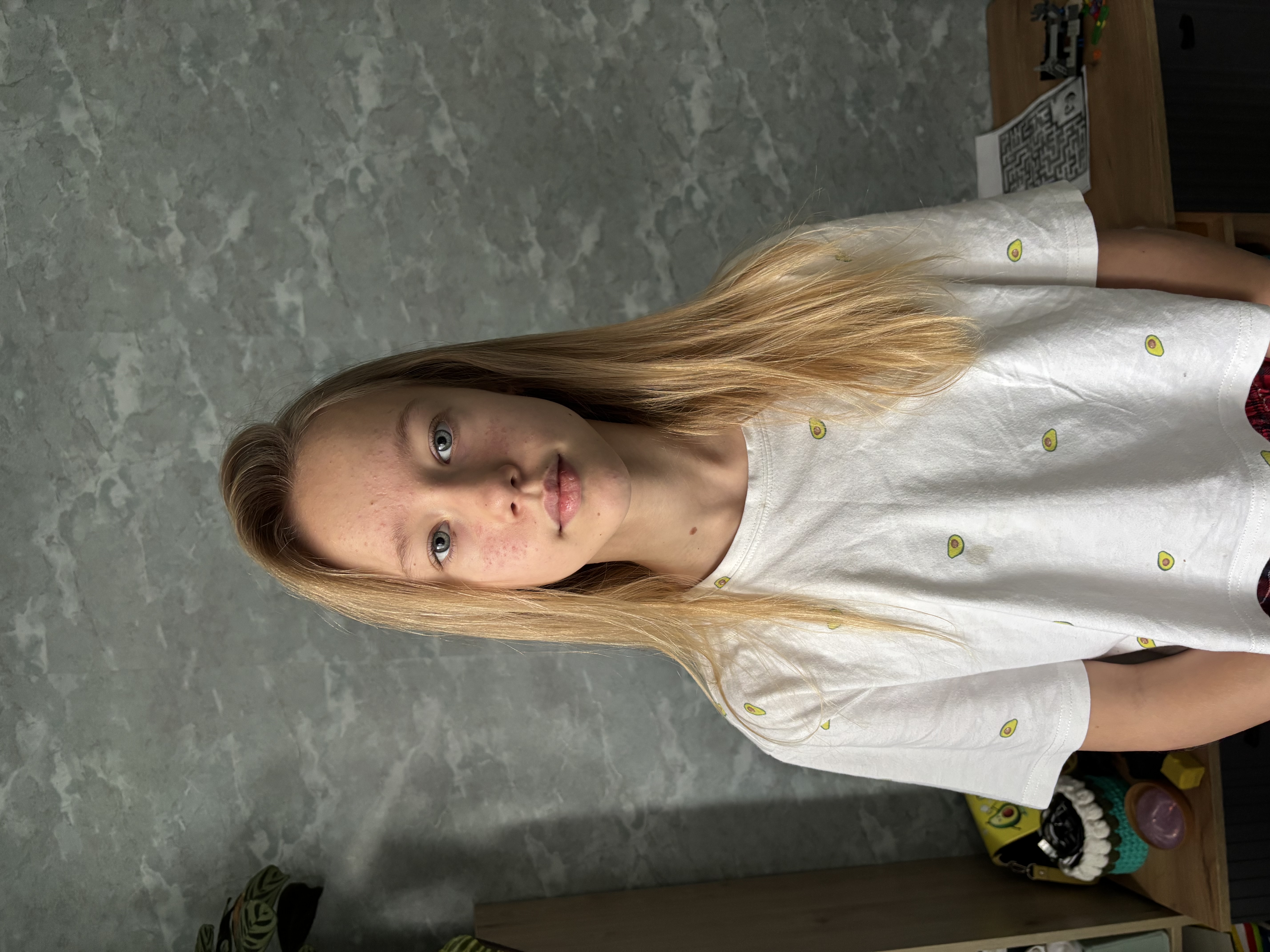
Create a premium February 2027 calendar poster in a vertical 9:16 composition, designed for adaptation to A4 portrait printing. Maintain the same visual identity, layout, typography style, and premium cinematic storybook CGI aesthetic as the January poster in the “12 Adventures — 2027” calendar series. THEME: FEBRUARY — THE SECRET LABORATORY IDENTITY PRESERVATION — HIGHEST PRIORITY Use the supplied reference photograph or photographs as the primary identity source for every child. Preserve each child's recognizable facial features, face shape, eye shape and exact eye color, eyebrows, nose, lips, natural hair color, hairstyle, skin tone, apparent age, and individual facial proportions. Every child must remain clearly recognizable as the same real person in their reference photograph. Do not replace their faces with generic AI-generated faces, beautify them excessively, change their age, or alter their defining features. The children may be rendered with a polished, semi-realistic storybook CGI finish, but their facial identities must remain realistic and faithful to the references. Natural skin texture, believable facial anatomy, individual hair strands, and authentic childlike expressions are essential. NUMBER AND GENDER OF CHILDREN Include exactly one, two, or three children, according to the number of children represented in the supplied reference photographs. The composition must adapt naturally to any gender combination. If multiple individual reference photographs are supplied, preserve each child's identity separately. Give each child a distinct appearance matching their reference. Do not duplicate children, merge facial characteristics, or add extra foreground characters. SCENE AND STORY Depict the children inside a magnificent, secret scientific laboratory hidden beneath an old observatory or inside a mysterious historic mansion. The laboratory is a breathtaking combination of vintage scientific instruments and imaginative experimental technology. Tall arched windows reveal a deep indigo night sky, while moonlight streams through the glass and combines with the warm golden glow of desk lamps. The children have just discovered a mysterious scientific phenomenon: a miniature luminous galaxy suspended inside a transparent glass chamber, surrounded by delicate floating particles, glowing crystal formations, swirling light, and tiny celestial patterns. The discovery should feel magical and mysterious while remaining visually believable within the cinematic storybook world. The children are the active protagonists of the scene, not passive decorations. One child may carefully examine the glowing chamber through a magnifying glass, another may study an ancient scientific notebook, and a third may adjust a brass instrument or observe the experiment with fascination. Adapt these actions to the actual number of children present. Their expressions convey curiosity, wonder, excitement, and the thrill of making an extraordinary discovery. Keep their faces clearly visible and naturally illuminated by a combination of warm lamplight and soft blue experimental glow. COSTUMES AND DETAILS Dress the children in stylish, realistic young-explorer outfits suitable for a secret scientific expedition: textured shirts, comfortable trousers, practical boots, knitted cardigans, tailored explorer jackets, and subtle vintage-inspired accessories. Use a coordinated palette of deep navy, forest green, warm brown, burgundy, and muted gold. Clothing should look tactile and physically realistic, with detailed fabrics, natural folds, and age-appropriate proportions. Avoid exaggerated laboratory coats, oversized goggles, costumes that look like toys, or accessories that obscure the children's faces. The children should look like real young adventurers exploring a remarkable place. LABORATORY ENVIRONMENT Fill the setting with carefully composed, richly detailed elements: tall wooden shelves containing glass bottles and scientific specimens, brass microscopes, antique telescopes, mechanical measuring instruments, notebooks, astronomical diagrams, copper pipes, crystal prisms, old maps of the stars, and a large experimental apparatus. Include subtle fantastical details such as illuminated glass spheres, tiny floating sparks, glowing mineral samples, and reflections of constellations inside the glass chamber. Create a convincing sense of architectural scale with a high ceiling, deep shelves, distant worktables, and layered foreground, middle ground, and background. Keep the environment visually rich but organized. All scientific objects should support the story and never compete with the children's faces. CINEMATIC STORYBOOK CGI STYLE Premium semi-realistic CGI with the atmosphere of a beautifully produced family adventure film. Richly detailed environments, realistic human faces, sophisticated materials, cinematic composition, dimensional lighting, and subtle magical wonder. The laboratory may be imaginative and enchanted, but the children must not look cartoonish. Avoid exaggerated eyes, oversized heads, doll-like faces, plastic skin, or flat illustration. The result should feel like a beautifully rendered frame from a high-budget fantasy adventure movie, with realistic children placed inside a wondrous, slightly fantastical world. LIGHTING AND COLOR PALETTE Use a sophisticated February palette of midnight blue, indigo, teal, emerald, antique brass, and warm amber. The luminous experiment casts a soft turquoise and cyan glow across nearby glass, metal, and the children's clothing. Warm desk lamps create contrasting golden highlights, while cool moonlight adds depth and mystery to the background. Use volumetric light rays, subtle atmospheric haze, delicate floating particles, realistic reflections on glass, gentle cinematic depth of field, and refined color grading. Maintain natural skin tones and clear facial detail. The children's faces must remain the primary visual focus. CALENDAR POSTER COMPOSITION Create a complete vertical calendar poster, with approximately 70–74% of the upper composition dedicated to the cinematic laboratory scene and 26–30% of the lower composition reserved for the calendar panel. The lower panel must match the January poster in the series: warm ivory aged parchment, gently worn paper edges, delicate vintage scientific illustrations, fine engraved stars, subtle astronomical diagrams, and understated brass or compass motifs. Integrate the panel elegantly with the illustration, as if it were a page from an antique explorer's scientific journal. Keep the layout clean, premium, readable, and consistent with the January design. Display the Russian month title prominently: ФЕВРАЛЬ Below it, add the subtitle: Тайная лаборатория Include the following short Russian verse exactly as written: «Любопытство — ключ к открытиям, смелость — путь к мечте. Даже маленькая искра может изменить всё вокруг.» Use an elegant serif font for the title and a refined italic serif font for the verse. Ensure correct Russian spelling, clear text, balanced spacing, and strong contrast. CALENDAR GRID — FEBRUARY 2027 Include a seven-column calendar grid with the week beginning on Monday. Use full Russian weekday names, without abbreviations: Понедельник Вторник Среда Четверг Пятница Суббота Воскресенье The correct February 2027 dates are arranged as follows: Monday: 1, 8, 15, 22 Tuesday: 2, 9, 16, 23 Wednesday: 3, 10, 17, 24 Thursday: 4, 11, 18, 25 Friday: 5, 12, 19, 26 Saturday: 6, 13, 20, 27 Sunday: 7, 14, 21, 28 Arrange the dates in exactly four chronological rows. February 1, 2027 falls on Monday, and February 28 falls on Sunday. Use dark navy or charcoal lettering for weekdays and regular dates. Highlight Saturday and Sunday in muted terracotta red, consistent with the January calendar. Do not add dates from January or March. Do not repeat, omit, or misalign any date. All numerals must appear under their correct weekday headings. PRINT AND TECHNICAL REQUIREMENTS Vertical 9:16 poster composition, suitable for adaptation to A4 portrait printing. High resolution, detailed textures, sharp focal subjects, balanced margins, and professional print-poster composition. Keep all text and dates safely inside the page margins. The calendar panel must remain readable and visually balanced without overcrowding the illustration. The finished February poster should feel like part of the same premium 12-month collection as January, while having its own distinct scientific atmosphere and color palette. STRICT NEGATIVE CONSTRAINTS No extra children, no duplicated faces, no merged identities, no changed facial features, no incorrect eye or hair colors, no age changes, no cartoon faces, no anime, no flat illustration, no plastic skin, no doll-like proportions, no exaggerated eyes, no distorted hands, no extra fingers, no obscured faces, no excessive neon lighting, no chaotic laboratory clutter, no frightening horror atmosphere, no logos, no watermarks, no misspelled Russian text, no abbreviated weekday names, no incorrect calendar dates, no Sunday-first layout, and no additional calendar grids. FINAL GOAL Create a premium February 2027 calendar poster titled “Тайная лаборатория,” featuring one, two, or three individually recognizable children exploring a magnificent secret laboratory. Combine faithful facial identity preservation with magical cinematic CGI, realistic costumes, atmospheric lighting, rich scientific details, and a cohesive vintage parchment calendar design matching the January poster in the “12 Adventures — 2027” series.

Free to start · Generate videos and images with AI in seconds
More from this creator
More GPT Image 2 images
См. все →