Image - 2026-10-26 16:02
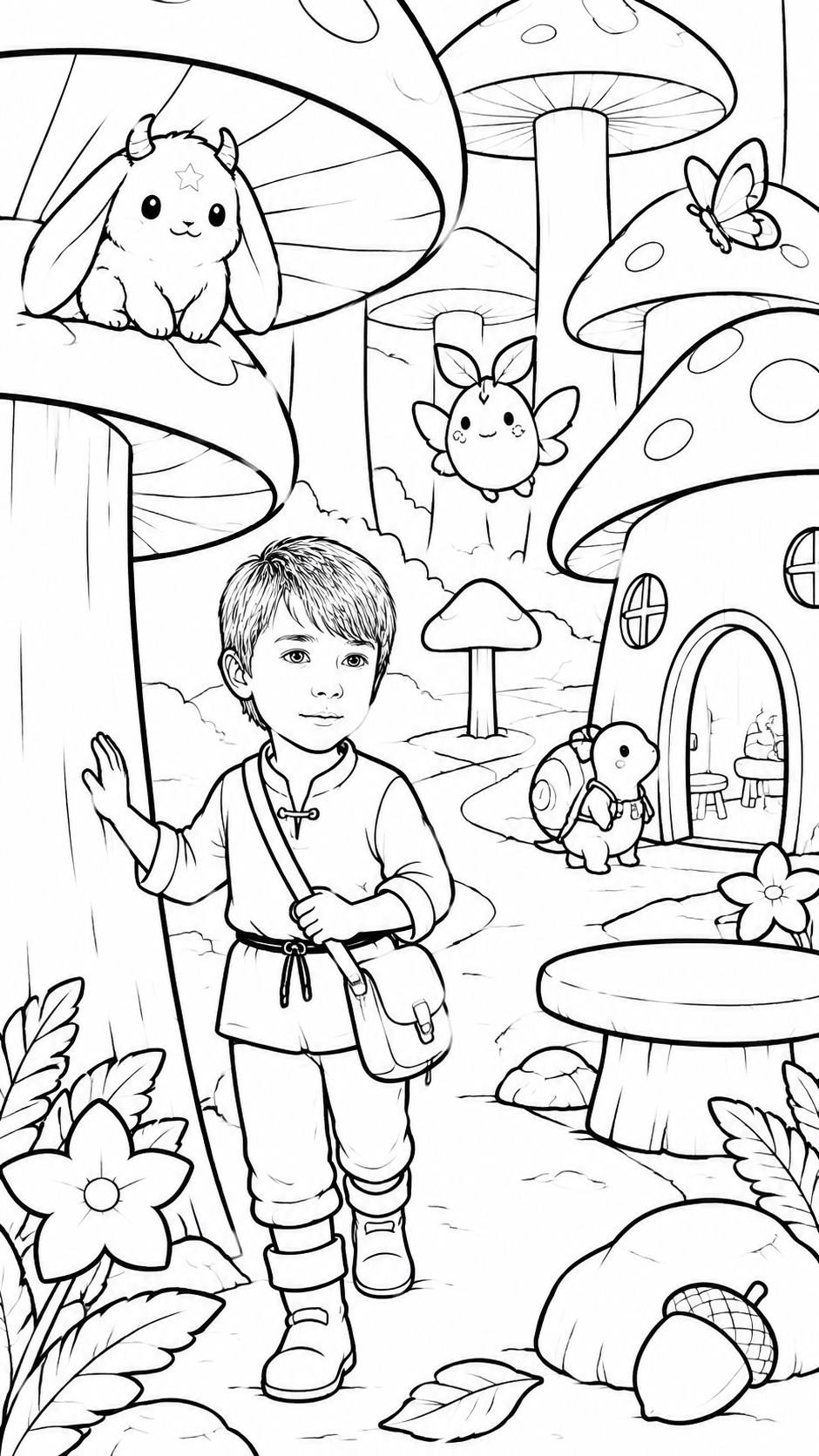
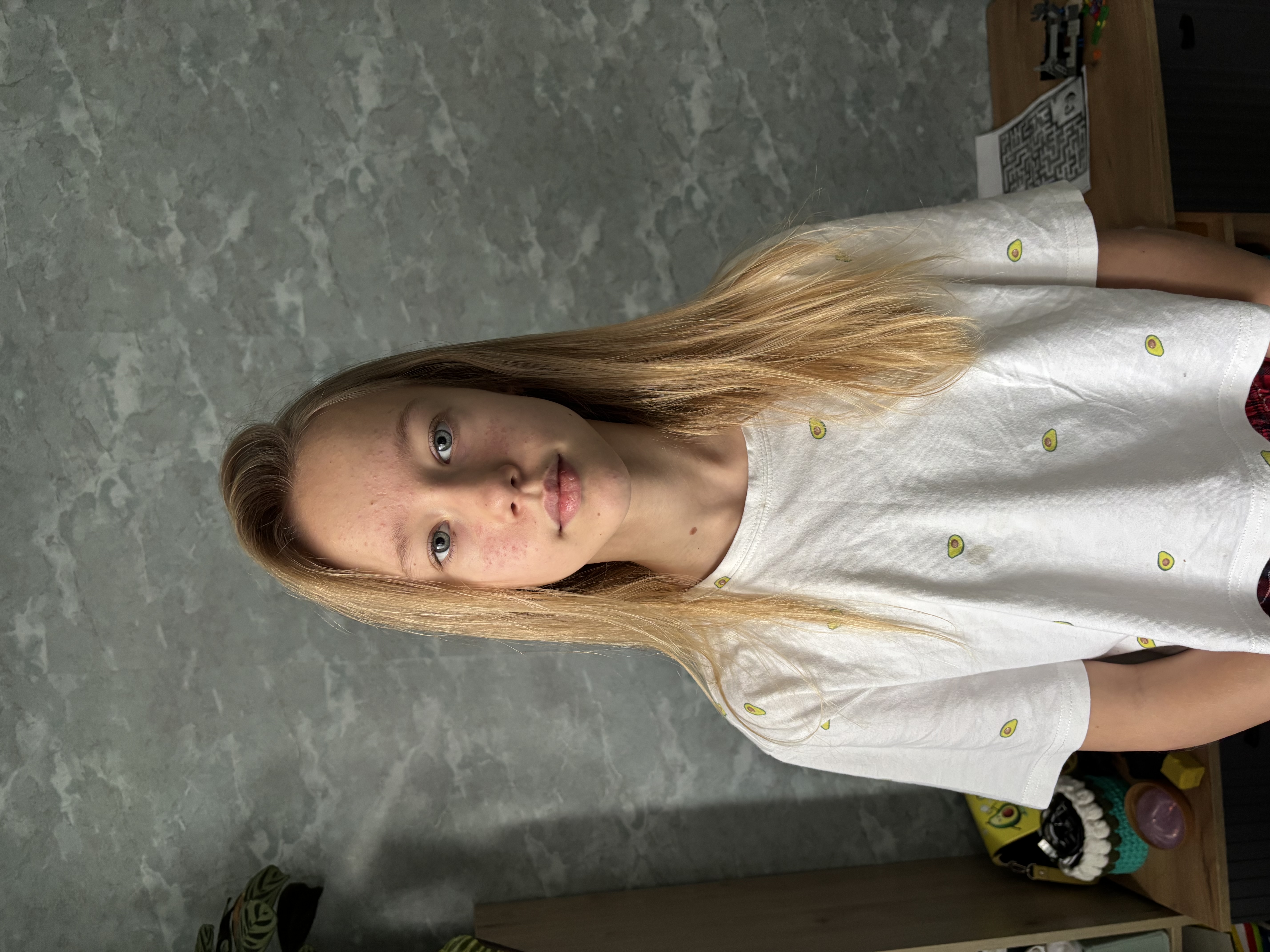
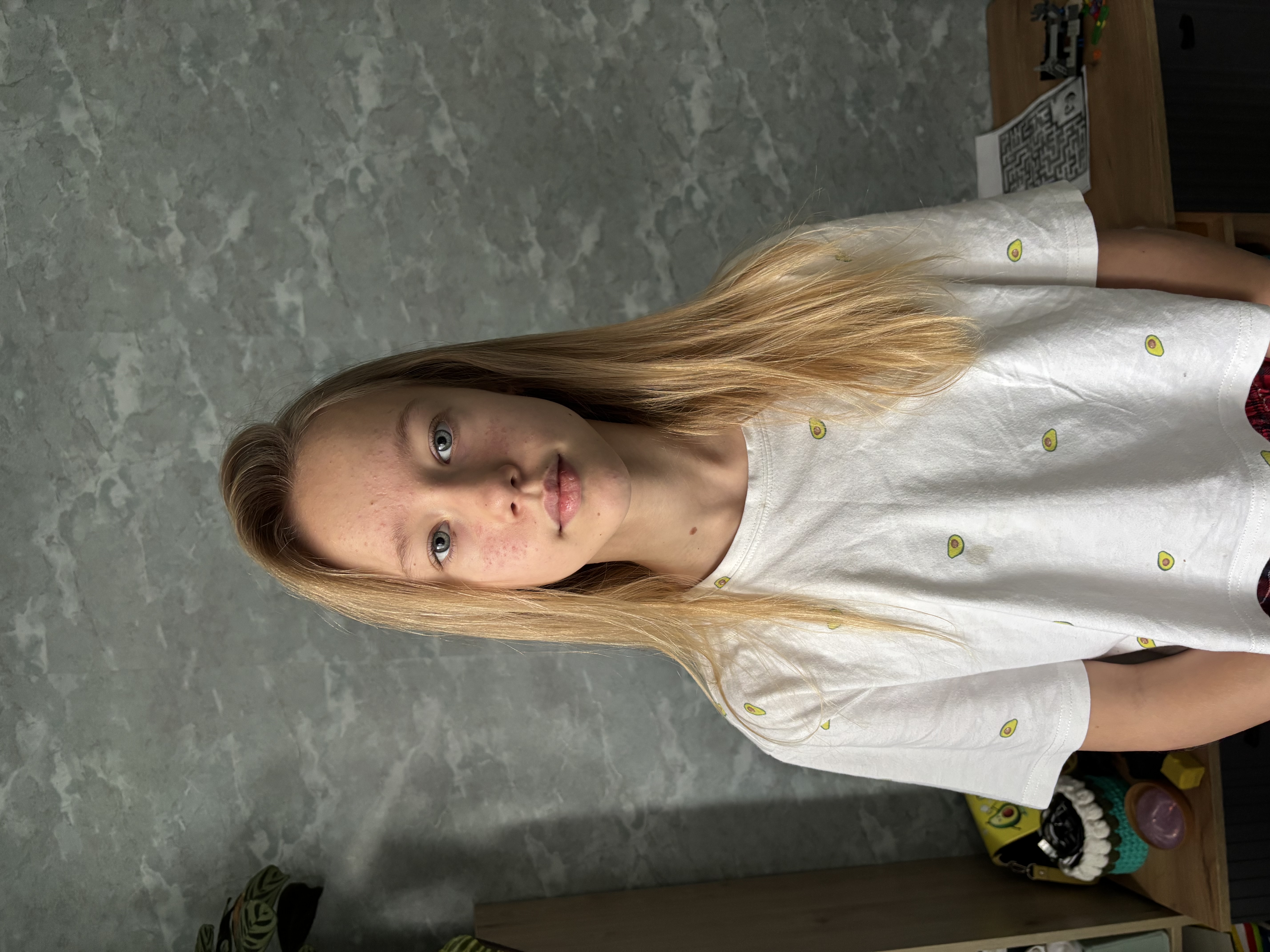
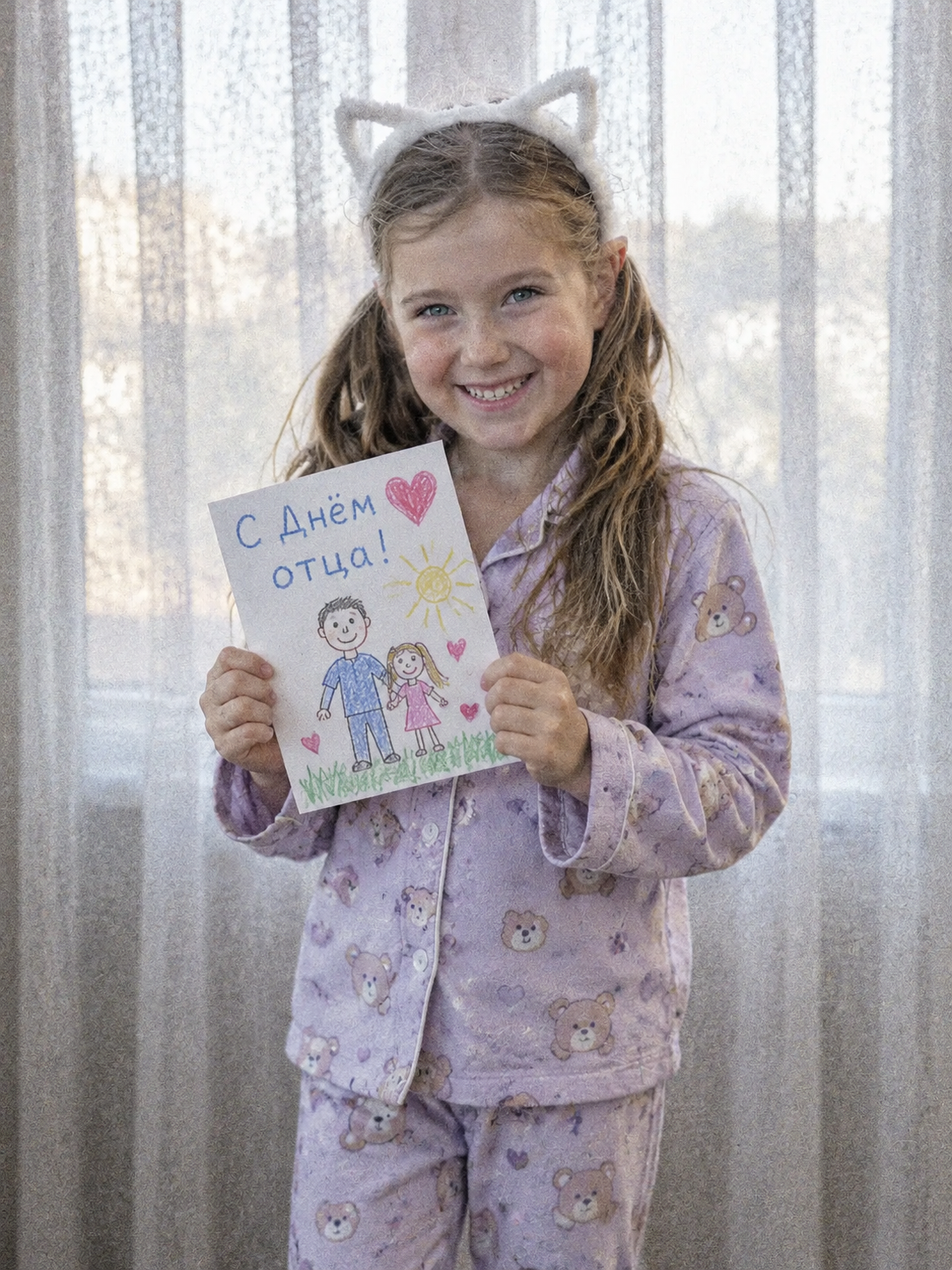
# PERSONALIZED FAIRY-TALE COLORING BOOK — THE ENCHANTED MUSHROOM FOREST Create a personalized black-and-white coloring book illustration based on the attached reference photograph of a child. ## 1. CHILD IDENTITY — HIGHEST PRIORITY Use the attached photograph as the primary identity reference. The child may be a boy or a girl. Follow the actual child shown in the reference photograph without making gender assumptions. Preserve the child's recognizable facial features, face shape, eye shape and spacing, eyebrows, nose, lips, ears, hairline, hairstyle, hair length, and apparent age. Keep the face semi-realistic, natural, and recognizable, while the surrounding fantasy world is illustrated in a charming, whimsical storybook style. Do not change the child's gender, hairstyle, facial proportions, or age. Avoid generic cartoon facial features, oversized eyes, or artificial beautification. ## 2. SCENE — A WALK THROUGH THE ENCHANTED MUSHROOM FOREST The child has discovered a secret magical forest where enormous mushrooms grow like trees. Their thick stems rise high above the ground, and their broad caps form a wonderful natural canopy overhead. Show the child walking along a wide, winding forest path, exploring this unusual place with curiosity and delight. The child is slightly turned toward a giant mushroom beside the path, reaching out to gently touch its thick stem. Dress the child in a comfortable, gender-neutral fairy-tale explorer outfit suitable for any child: a simple tunic or jacket, practical trousers, comfortable boots, and a small explorer's satchel. Keep the child's face and hairstyle clearly visible. The pose should look natural and relaxed, as if the child has just entered the forest and discovered something magical. ## 3. THE GIANT MUSHROOM FOREST Create a beautiful fantasy forest in which GIANT MUSHROOMS COMPLETELY REPLACE ORDINARY TREES. Use a few large, impressive mushrooms as the main architectural elements of the landscape. Include: * One enormous mushroom beside the child, with a very thick stem and a broad, rounded cap. * Two or three giant mushrooms in the background, with tall stems and oversized caps creating the feeling of a magical forest canopy. * One large mushroom house with a rounded doorway and two simple windows built into its thick stem. * A wide, winding path leading deeper into the forest. * Two large, rounded rocks beside the path. * A few large fern-like plants with broad leaves. * Three or four oversized flowers growing near the mushroom stems. * One large hollow tree-stump-shaped mushroom or a low, wide mushroom that looks like a natural bench. * A simple wooden signpost with a large mushroom-shaped sign, without any writing. * A few large, rounded leaves scattered on the ground. The mushrooms should have distinctive, varied silhouettes: tall and slender, short and wide, and large with umbrella-shaped caps. Keep their shapes simple and easy to recognize. Do not include ordinary trees. The giant mushrooms must clearly dominate the forest and replace the trees in the scene. Make the forest feel magical, welcoming, and full of wonder, with a clear path and plenty of open space between the large objects. ## 4. OUR THREE ORIGINAL MAGICAL CREATURES Include our three recurring original magical creatures, keeping their established designs consistent. **Zip:** a small fluffy, rounded creature with long expressive ears, two tiny curved horns, and a five-pointed star marking on its forehead. Show Zip sitting on a large mushroom cap near the child. **Plum:** a tiny floating creature with leaf-shaped ears, small wings, and three spots on each cheek. Show Plum hovering beside one of the giant mushroom stems, with a simple friendly expression. **Tuk:** a small inventive creature with a rounded body and a shell-shaped backpack. Show Tuk standing beside the mushroom house, curiously examining its large rounded doorway. Keep the creatures cute, friendly, and easy to recognize. Use simple silhouettes, large shapes, and minimal interior details. Leave enough space around each creature so its outline remains distinct from the surrounding mushrooms. Do not imitate any existing copyrighted cartoon, film, or game characters. ## 5. SIMPLE MAGICAL DISCOVERIES Include a few large, easy-to-recognize details that encourage a child's imagination: * One oversized five-pointed star-shaped flower growing beside the path. * One large, simple butterfly resting on a mushroom cap. * One big acorn beside a rounded rock. * One large, open mushroom doorway revealing a cozy interior with a simple stool. Keep every object large enough to color comfortably. These are decorative discoveries, not a collection of tiny hidden objects. Do not add miniature mushrooms, tiny flowers scattered everywhere, small insects, or intricate repeating patterns. ## 6. COLORING BOOK STYLE — AGES 4–8 Create a charming, easy-to-color illustration for children aged 4–8. **Prioritize large, simple, clearly enclosed shapes over small details.** * Make the giant mushrooms the dominant visual elements. * Use broad mushroom caps and thick stems with large open coloring areas. * Keep the child clearly visible against the background. * Use bold, smooth, clean black outlines. * Use only a few large spots or simple markings on the mushroom caps. * Keep the mushroom house simple, with a large door and a small number of windows. * Make flowers, leaves, rocks, and other decorations large and easy to identify. * Leave generous spaces between objects. * Use minimal interior lines and simple decorative patterns. * Keep the forest path broad and uncluttered. * Make the illustration enjoyable to color without requiring precise fine-motor control. Avoid tiny mushroom clusters, intricate cap patterns, thin grass blades,

Free to start · Generate videos and images with AI in seconds
More from this creator
More GPT Image 2 images
См. все →